What “remote” can mean
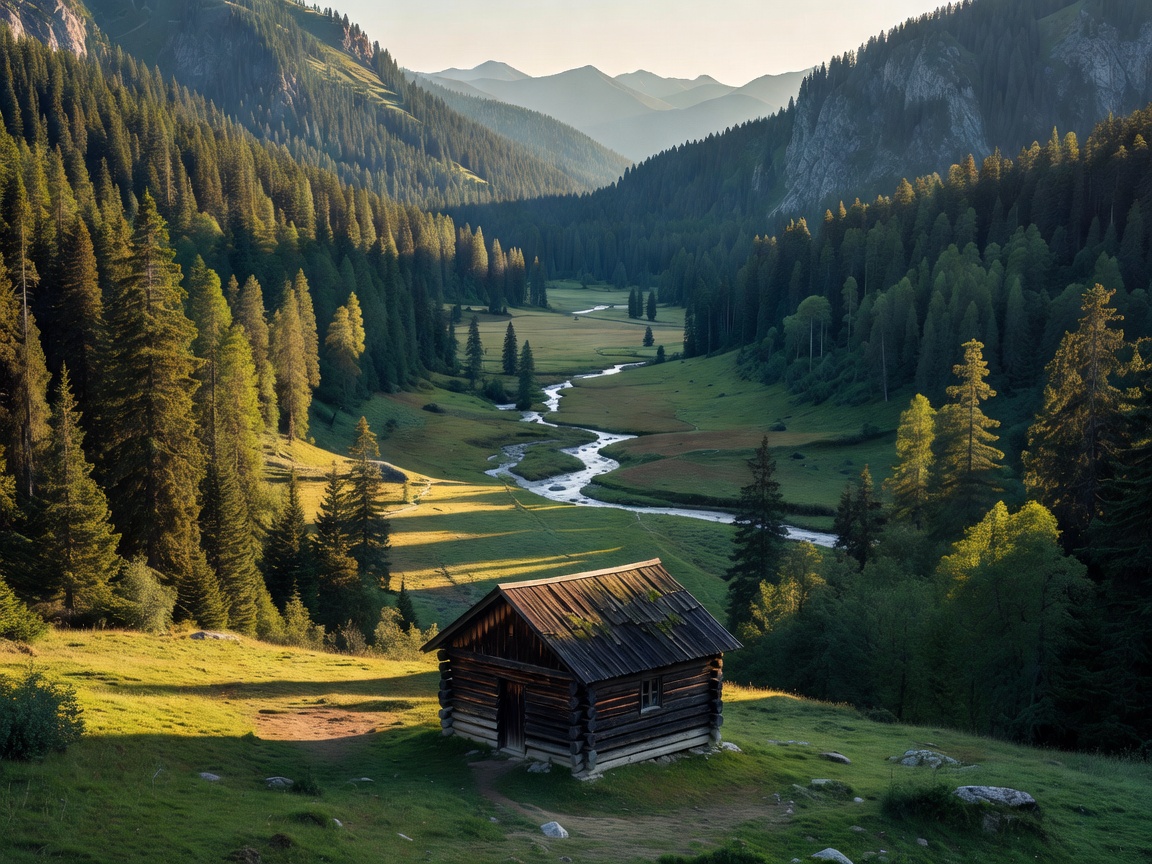
A forest cabin, a lakeside cottage, a mountain village or a rural farmhouse can all create useful distance from technology. You’re looking for fewer automatic interruptions, not necessarily total isolation. A place with weak indoor signal but a known point for emergency calls may suit a first retreat better than a truly inaccessible location.
Quiet accommodation helps because it changes the cues around you. A small kitchen, a view of trees and somewhere to leave devices out of sight can matter more than a long list of amenities. Ask whether connectivity is limited by geography, intentionally reduced, or simply inconsistent. Those are different experiences.
Choose the environment, not the fantasy
Forests offer shade, sensory detail and easy low-intensity walks. Mountain areas can feel expansive but may bring steep paths, changing weather and more complicated transport. Lakes and countryside often make swimming, cycling or slow wandering possible, while remote locations can mean fewer shops and less flexibility.
Think about the kind of tired you are. If you need stillness, choose accommodation with a comfortable indoor view and short paths nearby. If you become restless without a project, choose a setting with trails, water access or a village within walking distance.
Prepare before the signal fades
- Download maps, tickets, booking details and directions before departure.
- Save the address, local emergency number and a contact’s details on paper.
- Check transport connections, arrival daylight and the nearest practical supplies.
- Pack layers, waterproof footwear and a torch rather than relying on a phone light.
- Tell someone when you expect to arrive and how often you’ll check in.
Weather and seasons
Rain can make a forest retreat wonderfully inward-looking, but only if the accommodation is warm, dry and pleasant to spend time in. Winter brings short daylight and greater planning needs. Spring and autumn offer rich landscapes but variable conditions. Summer may make outdoor activities easier while also bringing crowds, insects or heat.
The advantages and trade-offs
A remote setting can make phone habits less convenient, improve attention to natural sounds and create a clearer boundary around work. It can also feel lonely, impractical or stressful if you arrive unprepared. Limited connectivity may complicate changes to transport, weather plans or family communication. Choose a degree of remoteness you can enjoy, not one you feel obliged to prove.
A simple decision test
Before booking, ask: Can I arrive safely in daylight? Can I buy essentials without a car? Do I know how to get help? Is there enough to do without a screen? Will the place still feel good in poor weather? A confident yes to most of these questions is a better sign than the word “remote” in a listing.