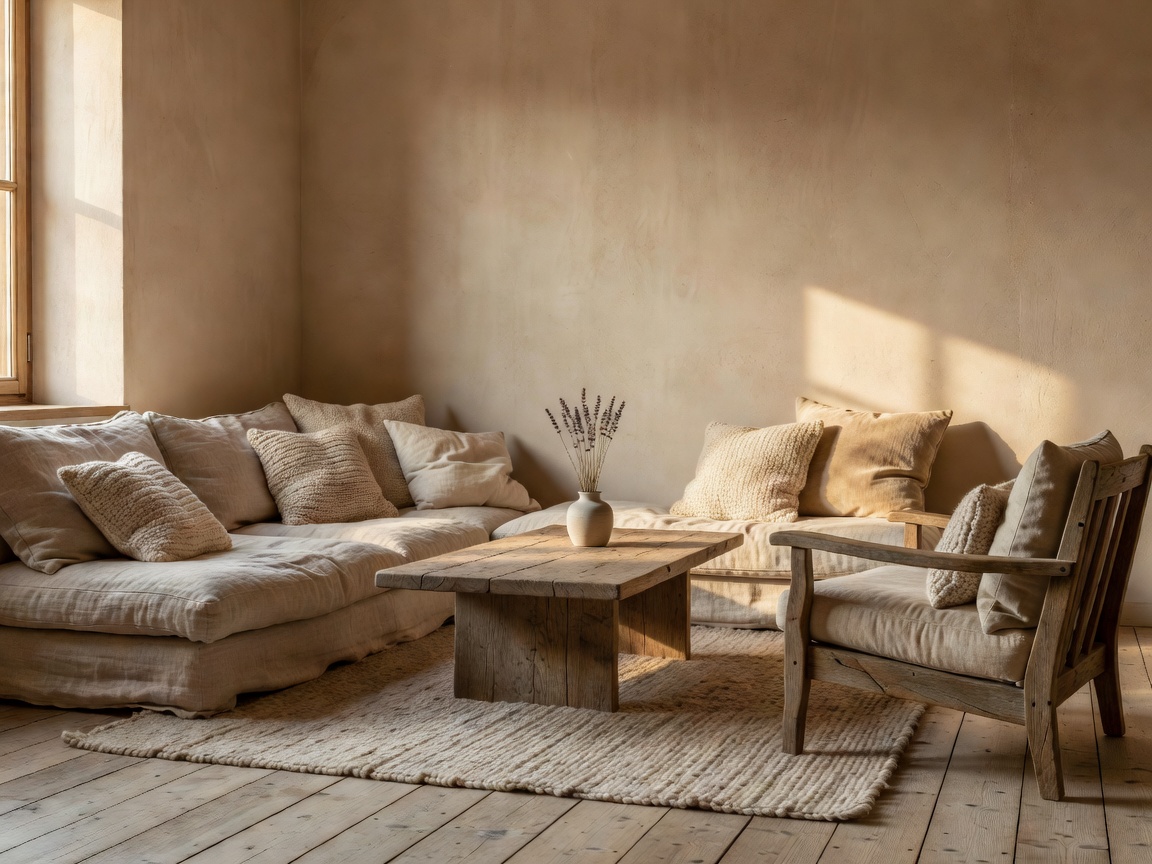
Rest has different shapes
Some retreats offer a clear daily structure: morning movement, shared meals, a walk and an early evening wind-down. Others provide a room, a landscape and very little programming. Neither is automatically better. Structure can remove decision fatigue; unstructured time can help you notice what you actually need.
Read the schedule carefully. A retreat may be calm in tone while still involving early starts, group sessions and frequent transitions. If your aim is sleep and quiet, check how much free time exists between activities and whether participation is optional.
Useful ingredients
Walking, reading, journaling, gentle movement and time outdoors are practical screen substitutes because they occupy attention without demanding constant stimulation. A comfortable bed, quiet evenings and somewhere pleasant to sit may matter more than an impressive treatment menu. Nutrition is worth considering too: look for clear information about meal times, dietary options and whether food is communal or private.
This is lifestyle planning, not healthcare. If you have medical, psychological or dietary needs, get advice from an appropriate professional and discuss practical requirements with the retreat before booking.
Solo or shared?
Solo stays allow a flexible pace and fewer social decisions. They may also feel isolating during long evenings. Group retreats can provide easy companionship and a sense of gentle accountability, but they can be tiring if you need privacy. Ask about group size, shared spaces, quiet hours and whether guests are expected to socialise.
Questions to ask before choosing
- How much of the schedule is optional?
- Are phones discouraged, stored, or simply not discussed?
- Is the bedroom quiet, and are there shared facilities?
- What happens if rain changes outdoor plans?
- Can I leave early or arrange independent transport if needed?
- Are meals adaptable to my ordinary dietary needs?
Potential drawbacks
Retreats can be expensive, socially demanding or more scheduled than expected. A highly curated environment may feel less restful if you prefer autonomy. Shared accommodation can disturb sleep, while a remote location may make arrival and departure complicated. There is also the risk of returning home with an idealised routine that is impossible to maintain.
Bring one small promise home
Rather than trying to preserve every retreat ritual, choose one realistic habit: a phone-free first hour, an evening walk, paper reading or a weekly half-day offline. A retreat is most useful when it gives you a pattern you can actually repeat.