Move first
Hiking and ordinary walking are reliable because they provide a beginning, a route and a natural stopping point. Swimming, kayaking and cycling add physical rhythm and a changing view. Choose routes suited to your ability, weather and navigation confidence. A paper map or downloaded route can support the activity without turning the phone into a companion.
Nature observation works at a slower pace. Notice bird calls, tree bark, cloud movement or changes in water. You don’t need specialist equipment; a small notebook can be enough. If you take photographs, consider a camera that cannot immediately share, edit or notify you.
Make things slowly
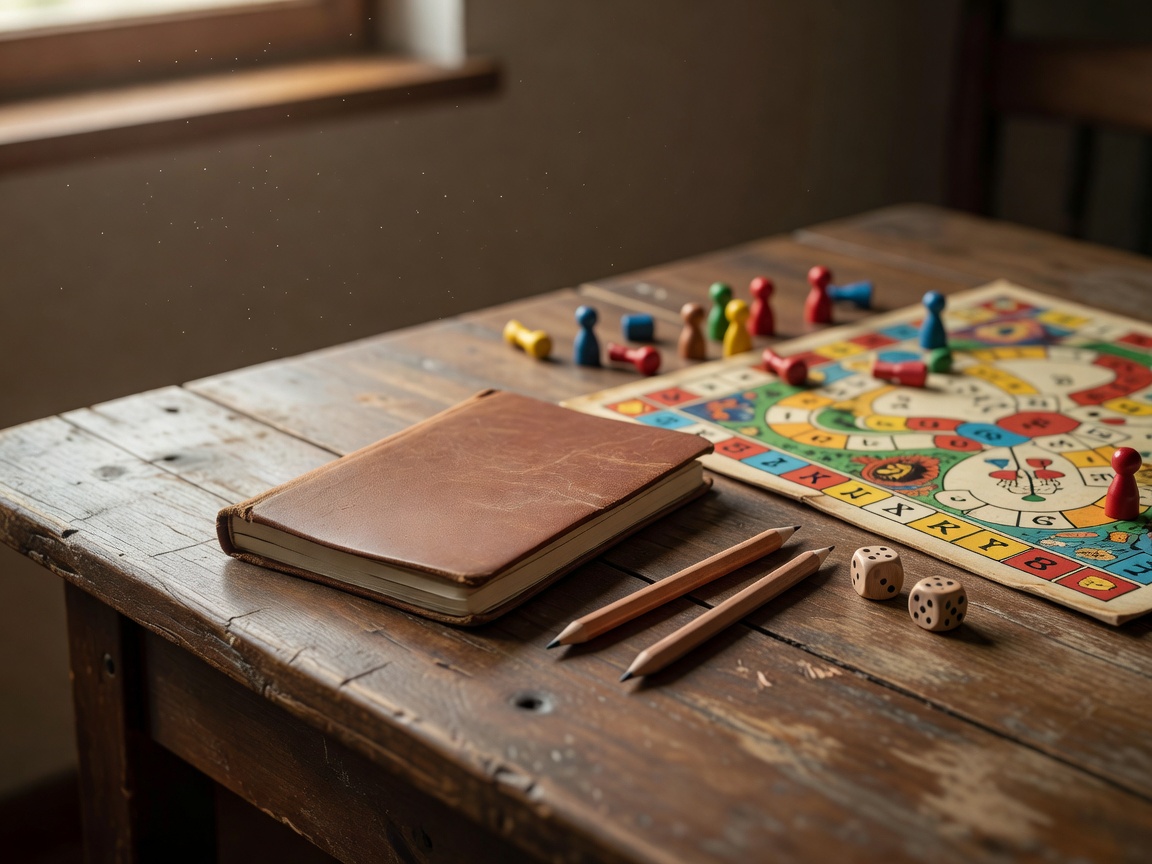
Drawing, handwriting, cooking and simple craft give attention a tactile anchor. Try sketching the view badly and without correcting it. Write a few lines about the day. Cook one meal from local ingredients, or make something familiar without photographing each stage. Board games and cards work well for shared evenings because conversation happens around an activity rather than being forced.
Match the activity to the checking trigger
- Boredom: keep a short reading list, puzzle or sketchbook visible.
- Restlessness: plan a walk with a clear destination.
- Social uncertainty: invite someone to cook, play cards or explore.
- Habit at meals: place a notebook on the table and write one observation.
- Bedtime scrolling: use paper reading and an analogue alarm.
Build a realistic offline routine
Start with anchors rather than a timetable. Perhaps breakfast without a phone, a morning walk, an afternoon activity and an hour of reading before bed. Keep one flexible block for weather and energy. If you are travelling with others, agree whether the whole group is offline or whether phones remain available for practical reasons.
Useful equipment
Pack comfortable shoes, layers, a water bottle, a paper notebook, pencils, a small torch, cards or a compact game, and any safety equipment required for your chosen activity. For swimming or kayaking, use reputable local guidance and do not assume unfamiliar water is safe. For hiking, tell someone your route when appropriate.
Let social time stay ordinary
Offline travel does not need solemn conversations. Share a meal, ask someone about the place, play a game or sit quietly together. When there is no need to document the moment, small interactions often become more memorable.